AI Quality Inspection
We build quality inspection systems that can analyze images or process data, detect anomalies, and surface issues before they become expensive problems.
Typical impact
Based on similar deployments. Actual results depend on your workflow and data.
When to choose this
- Production lines where defects found late create waste
- Visual inspection that is repetitive for human operators
- Teams that need alerts while the line can still stop
Is this solution for you?
A quick check before you invest time in a call — who gets the most value, and when to pick something else.
Good fit if you…
- Production lines where defects found late create waste
- Visual inspection that is repetitive for human operators
- Teams that need alerts while the line can still stop
- Quality leads who want dashboards tied to live events
Probably not if you…
- Inspection requires destructive testing on every unit
- No camera access or consistent lighting on the line
- Zero tolerance for false positives without human tuning period
Before vs after
What actually changes in day-to-day operations — not marketing fluff.
Detection timing
Today
Defect found at end-of-line audit
With this solution
Flagged at inspection station
Response
Today
Scrap batch already packed
With this solution
Operator acts while unit is reachable
Reporting
Today
End-of-shift manual counts
With this solution
Live dashboard from same events
Patterns
Today
Repeated faults seen as one-offs
With this solution
Trend visible across shifts
How a request moves through the system
Inspection runs as output is produced. Defects are flagged, operators are alerted, and scoring dashboards read the same events as the alerts so reporting is not a second opinion.
Camera or sensor frame taken at inspection point
Model scores pass/fail or defect class
Operator notified on fail with image evidence
Line stop, divert, or rework triggered per SOP
Event logged for shift report and trend analysis
Retrain threshold from false positive review
Real scenarios
Concrete situations this solution is built to handle — not generic feature bullets.
A defect caught before packing
The line is flagged while the unit is still in reach, instead of discovering the issue in a finished-goods audit.
A shift lead watching quality in motion
Dashboards show detection and response, not only a count of failed units at the end of the day.
A recurring fault pattern
Repeated flags become a process issue, not a pile of unrelated scrap tickets.
What we build
- Visual inspection workflows
- Defect detection and alerts
- Quality scoring dashboards
- Operational reporting
- Faster response while the line is still running
- Less waste from late-stage inspection
Outcomes you can expect
- Real-time defect detection on the line
- Less waste from late inspection
- Operators alerted with evidence, not guesses
- Quality and production share one event stream
Connects with
Common use cases
- · Manufacturing quality checks
- · Inspection automation
- · Anomaly detection
- · Production reporting
How we typically deliver
Phases and outputs so you know what happens week by week. Timelines adjust to your scope.
Week 1–3
Sample defect library and camera placement
You get: Inspection pipeline design
Week 3–5
Model training on real line output
You get: Staging accuracy report
Week 5–7
Alerts, dashboard, operator SOP
You get: Pilot station live
Week 7+
Tune thresholds and add second SKU/line
You get: Production rollout plan
Common questions
Is this visual inspection or process-data inspection?
The platform is built primarily for AI inspection of production output—typically visual defect detection—paired with alerts and dashboards for the line. Process-data signals can be incorporated when they improve detection or root-cause context, but the core pattern is catching defects in output as it is produced. During discovery we assess lighting, camera placement, defect taxonomy, and line speed constraints. Models and thresholds are tuned to your actual product, not a generic demo dataset. The operating goal is earlier, more consistent defect signal for quality and operations teams.
Does it replace quality inspectors?
It does not replace accountability for quality. It flags defects earlier so inspectors and operators spend time on response, containment, and process issues instead of discovering problems late. Human review remains important for ambiguous cases, model drift checks, and disposition decisions. Many plants use AI as a high-speed first pass with people owning escalation. We design alerting so noise stays manageable—false positives that overwhelm the line will not be adopted. Success is measured in earlier detection and actionable alerts, not in removing the quality function.
What does real time mean here?
Real time means inspection runs as output is produced, so a defect can be flagged while the line can still stop, divert, or correct—rather than waiting for end-of-batch sampling alone. Latency targets depend on line speed and hardware. Dashboards and alerts surface issues to the right role quickly. We define what “fast enough” means with your operations team during design. The value is operational responsiveness: fewer defects shipped and faster feedback into the process.
Can this be adapted to another line or product?
Yes. The inspection pipeline, alerting, and reporting pattern is reusable; models, defect labels, and thresholds are tuned to each product’s visual characteristics. Expanding to another line usually involves new sample collection, validation, and camera setup—not starting from zero architecture. We document the playbook so plant teams understand what changes per SKU. Pilots should prove stable detection on one line before scaling. That sequencing protects trust in the alerts as you grow coverage.
Shipped in production
Related case study
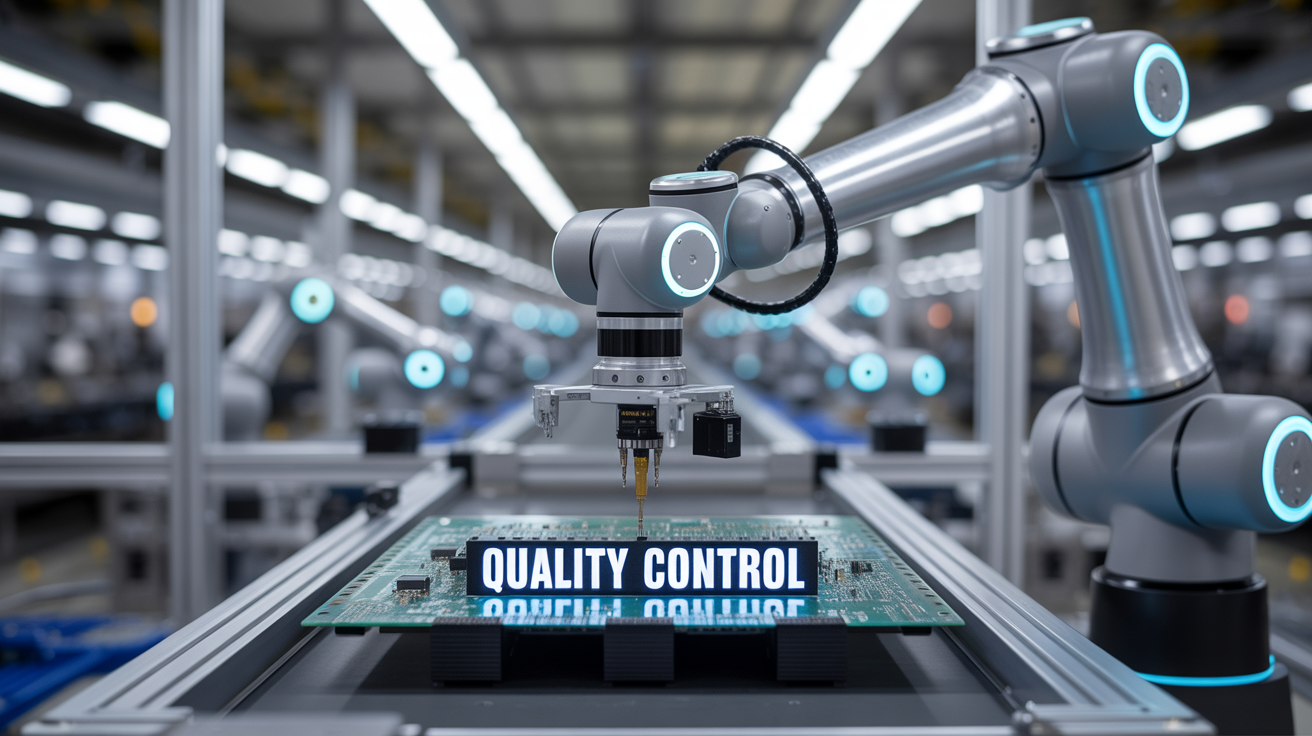
Smart Manufacturing Quality Control
An AI quality control platform that inspects production output, detects defects in real time, and helps teams reduce waste on the line.
Read the full case studyOther solutions
Reduce support load
Customer Support Automation
Coordinate specialist agents
AI Multi Agents
Natural voice interactions
Voice AI Agents
Want this mapped to your workflow?
We will walk through your tools, volume, and escalation rules — and tell you honestly if this is the right fit.
Book a consultation