Foreign Exchange Management Software
A treasury-grade FX platform for tracking rates, executing transactions, and managing multi-currency positions with automated settlement workflows.

Project overview
Treasury teams feel FX risk twice: once in the market, and again in the operations around it. When rates, trades, positions, and settlements live in different spreadsheets, exposure is already stale before anyone can act.
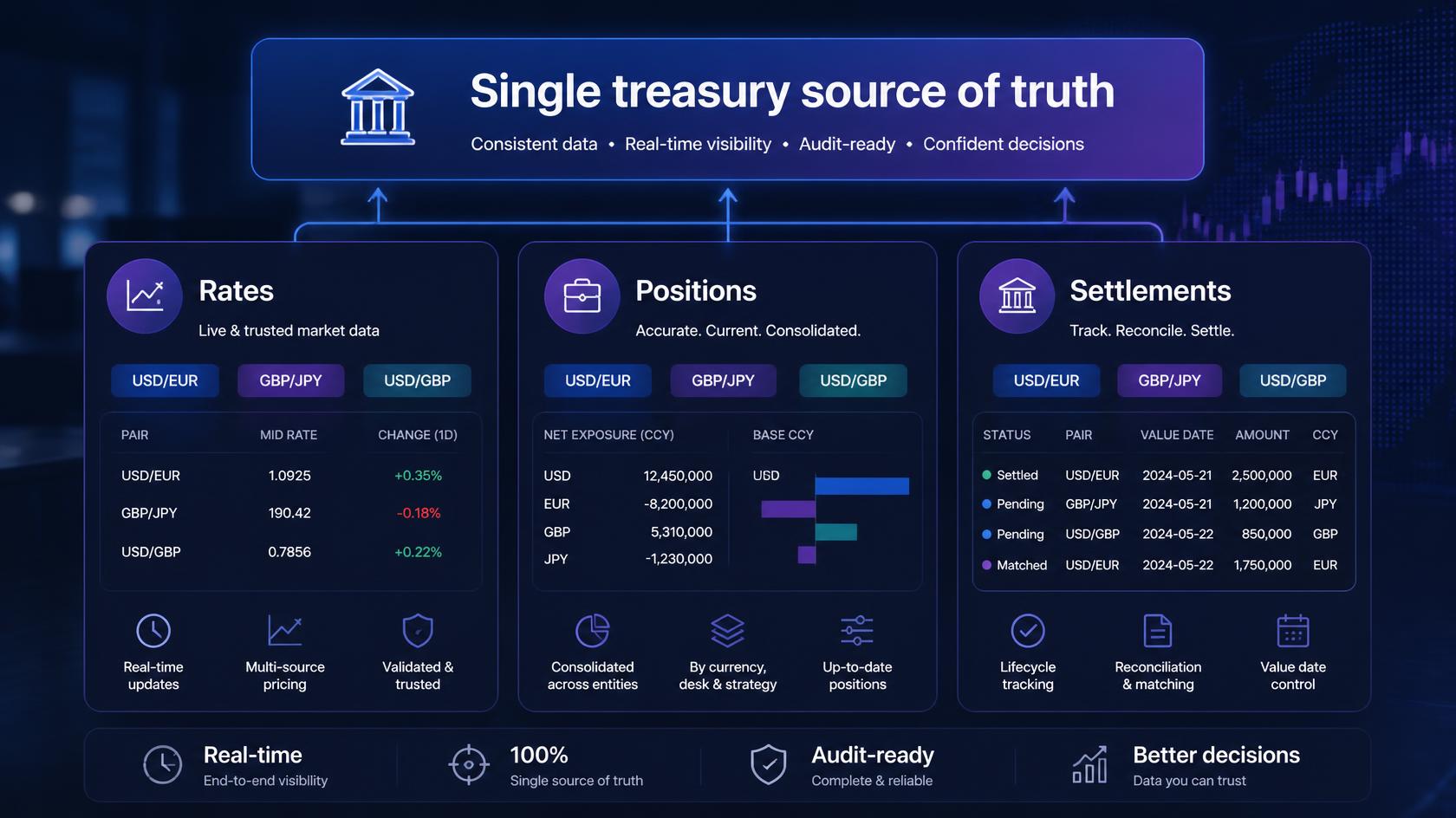
This foreign exchange management system gives finance teams live rate visibility, transaction execution, position tracking, and settlement workflows in one place. Reconciliation is part of the product, not a month-end scavenger hunt.
The software was built for treasury and finance operators who need a source of truth for multi-currency activity — not another dashboard that still needs a CSV export to be useful.
The challenge
Finance teams were managing FX exposure across spreadsheets and disconnected tools. That slowed reconciliation, hid open positions, and increased operational risk whenever rates moved or settlements lagged.
The solution
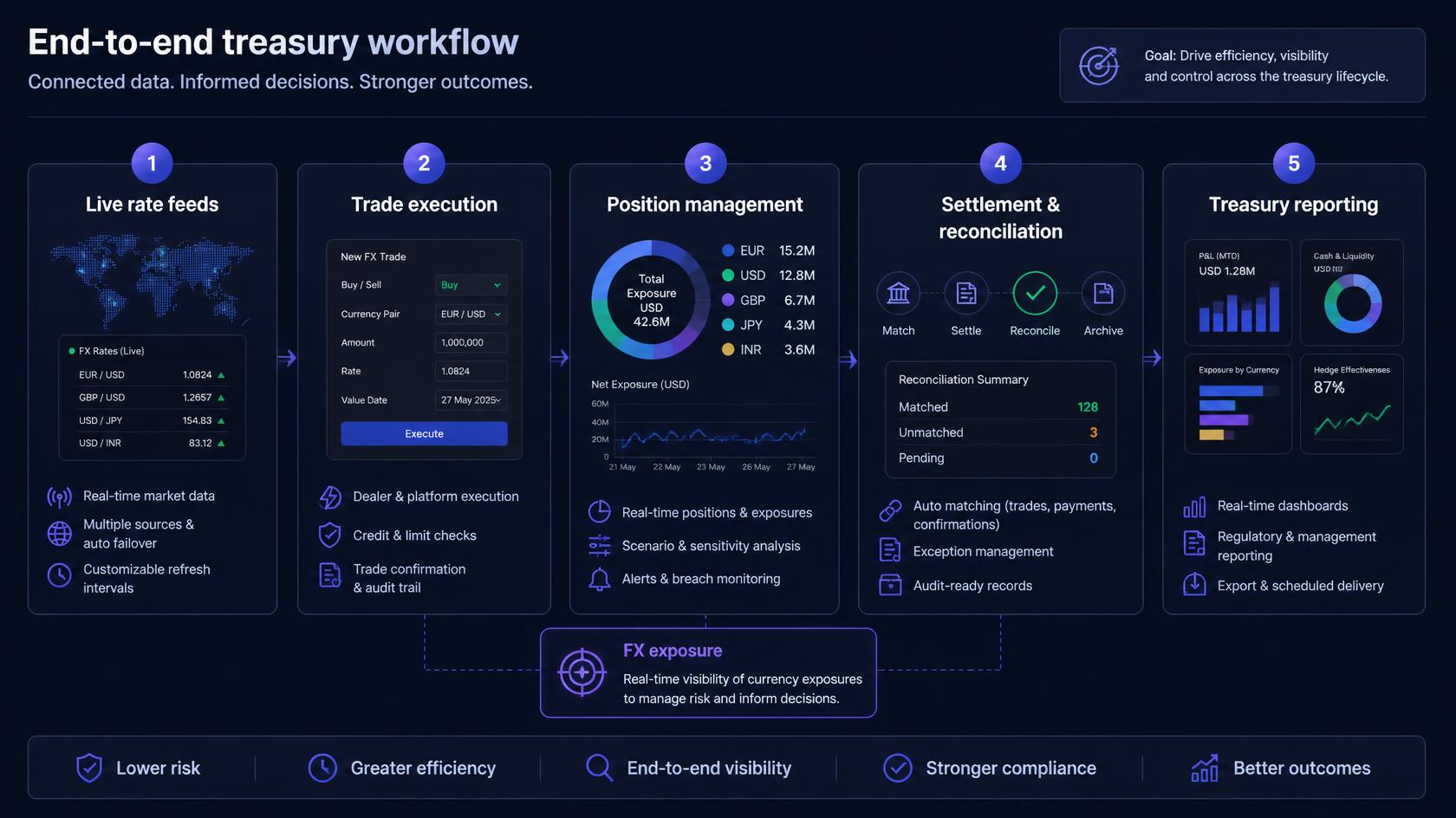
We delivered an FX management system with live rate feeds, transaction execution, automated settlement workflows, and reporting built for treasury teams. Positions, trades, and settlements share one record so exposure is visible while there is still time to act.
What we built
How we approached it
Start from treasury questions
The product was shaped around 'what is our exposure, what is open, and what still needs to settle?' rather than a generic trading UI.
Connect rates to execution
Live feeds and transaction workflows were joined so a rate view can become a booked trade without a side process.
Automate settlement matching
Reconciliation rules were applied to the high-volume matching work, with exceptions left for treasury staff.
Report from the same ledger
Leadership reporting reads the same positions and settlements operations already use, so month-end is not a second system.
Examples from the workflow
These are the kinds of moments the system was designed to handle — not hypothetical product slides.
Checking exposure before a hedge
A treasurer can see open multi-currency positions next to recent rates instead of waiting on a spreadsheet refresh.
Booking and settling in one trail
Once a trade is executed, settlement status stays attached to the same record rather than living in a separate ops tracker.
Month-end with fewer reconciling items
Automated matching reduces the pile of unmatched FX items finance teams used to clear by hand.
Stack and delivery pieces
Outcomes
Questions this case study usually raises
Who is this FX management software for?
Treasury and finance teams that need to track rates, execute FX transactions, manage multi-currency positions, and settle activity without relying on disconnected spreadsheets. That distinction matters for scoping Month-end with fewer reconciling items: we align on users, boundaries, and non-goals during discovery so the build does not drift into unrelated platform work. Deliverables and success metrics follow that definition. If a lighter or different approach fits better, we say so before heavy engineering begins. Related screens and workflows in the case study show how the scope played out in practice.
Does it include settlement and reconciliation?
Yes. Settlement workflows and reconciliation support were part of the build, not an afterthought dashboard. For engagements like Month-end with fewer reconciling items, we confirm fit during discovery against your stack, volume, and compliance constraints rather than assuming every environment matches the case study one-to-one. Integrations, permissions, and review gates are planned explicitly. A pilot usually proves the highest-value path first, then expands once quality and adoption are clear. That keeps delivery practical and measurable.
Can it replace spreadsheet-based FX tracking?
That was the core problem. Rates, trades, positions, and settlements were designed to live in one operational system. In Month-end with fewer reconciling items, automation is designed to remove repetitive work and improve consistency while people retain ownership of judgment calls, exceptions, and final accountability. Success is measured in faster cycle time and better context for humans—not in removing the function entirely. Guardrails and review paths are part of the operating model so the system stays trustworthy after launch.
Is this a trading platform or a treasury operations tool?
It is treasury-grade operations software: execution is included, but the emphasis is visibility, settlement, and reporting for finance teams. That distinction matters for scoping Month-end with fewer reconciling items: we align on users, boundaries, and non-goals during discovery so the build does not drift into unrelated platform work. Deliverables and success metrics follow that definition. If a lighter or different approach fits better, we say so before heavy engineering begins. Related screens and workflows in the case study show how the scope played out in practice.
More case studies
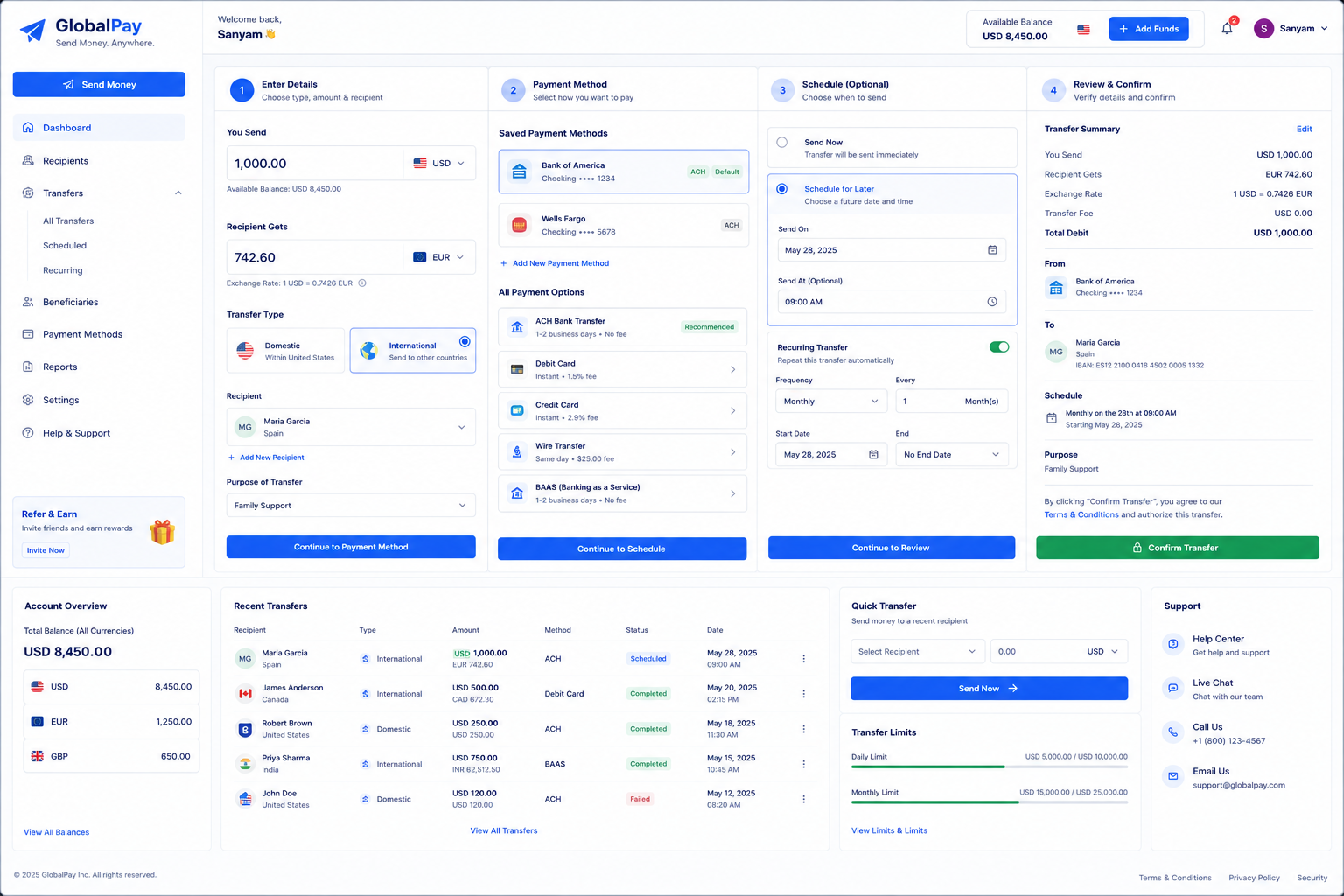
Global Payments & BaaS Platform
A cross-border payments and Banking-as-a-Service platform that orchestrates ACH, RTP, SWIFT, and regional rails for merchants and financial partners.
Read case study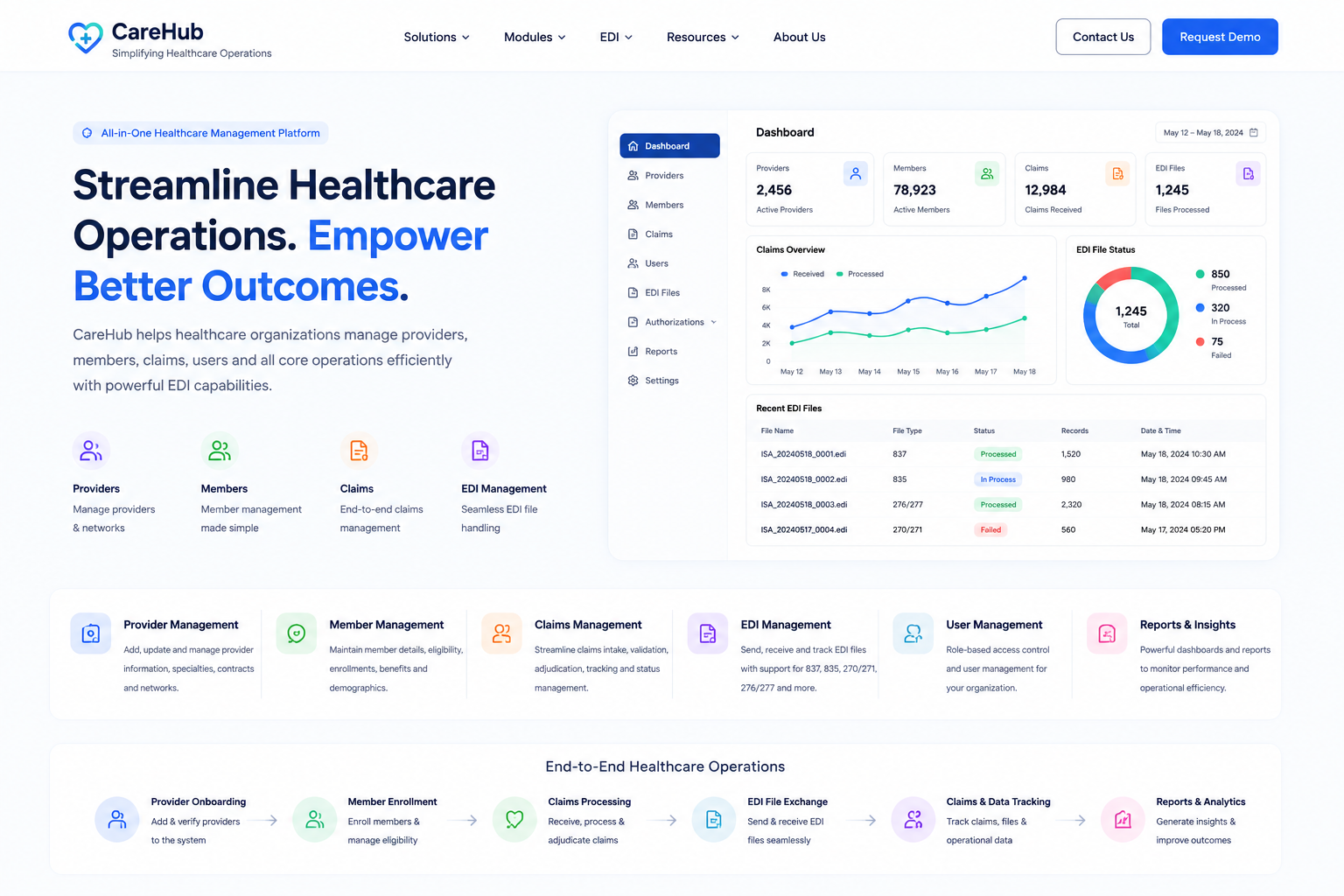
Healthcare Claims Management Platform
A HIPAA-ready healthcare operations platform that centralizes vendor data, claims processing, member administration, and plan management for U.S. healthcare teams.
Read case study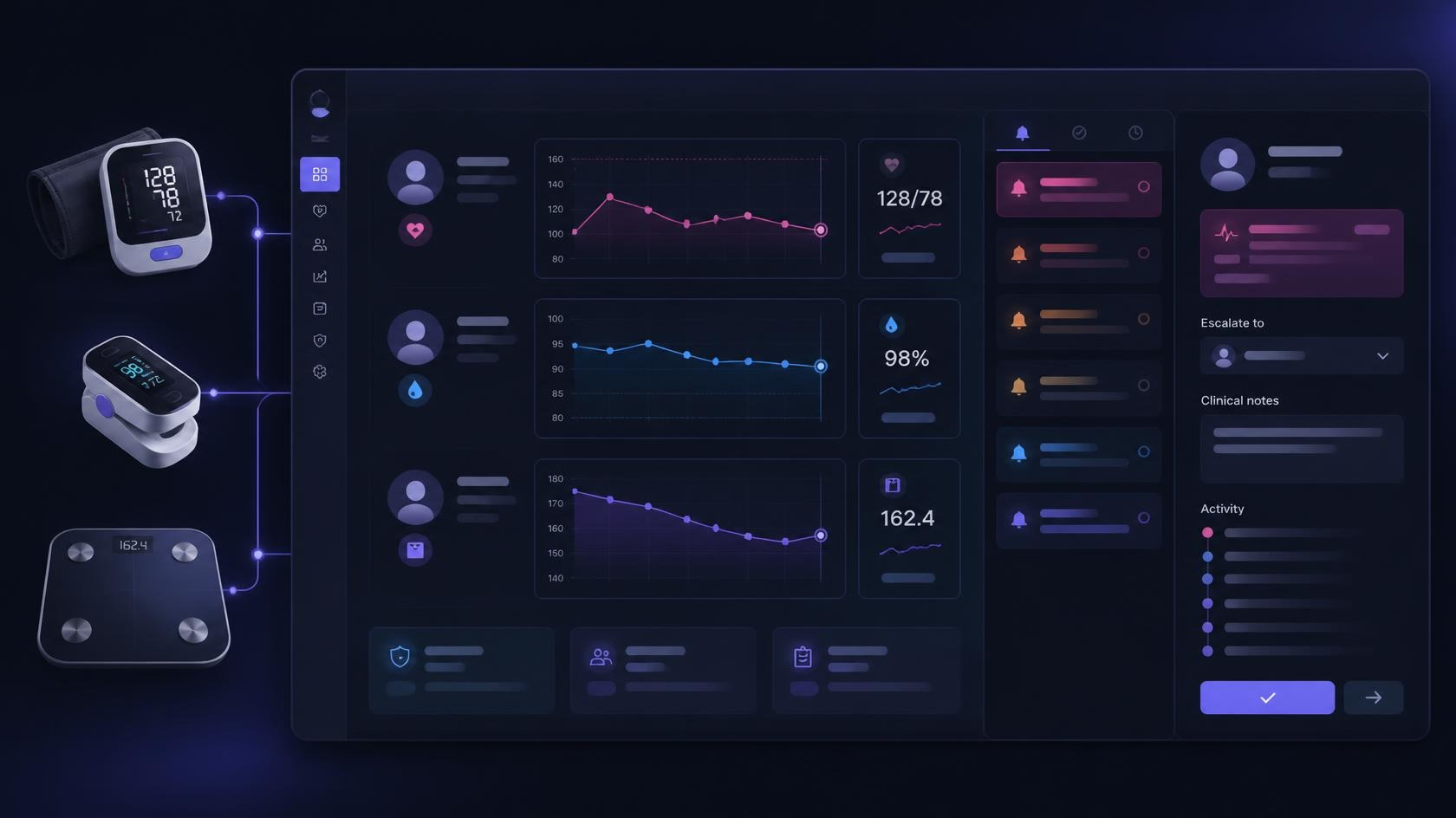
Remote Patient Monitoring Operations Console
A HIPAA-conscious remote patient monitoring console that ingests device readings, applies threshold rules, routes alerts to nursing staff, and escalates to clinicians with a full audit trail.
Read case studyNeed a case study like this?
Client names stay confidential. Request fuller details under NDA, or talk through a similar workflow for your team.