AI Interview Management Platform
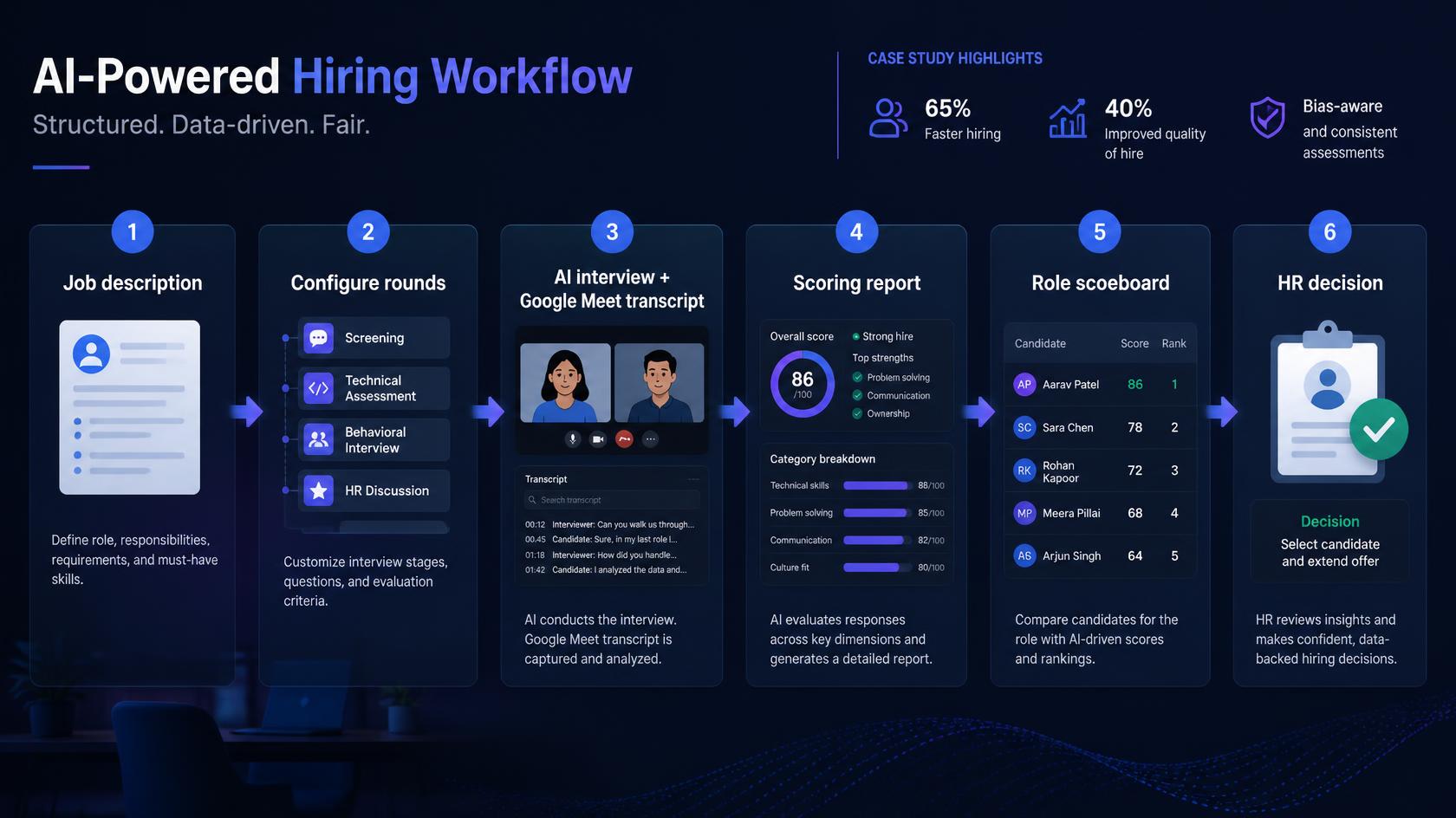
An HR platform for JD-based hiring, AI-led interviews, Google Meet transcript capture, scoring reports, and role scoreboards.

Project overview
Hiring quality drops when every interviewer keeps their own notes. Rounds are inconsistent, transcripts disappear, and comparing candidates becomes a meeting about memory.
This HR tech platform lets companies configure interview rounds from the job description, run AI-led interviews, capture Google Meet transcripts, and generate scoring reports plus a scoreboard for the role. HR can edit custom questions and review AI recommendations before a decision.
The product is an interview operations system: structured rounds, captured evidence, and a shared comparison view — with humans still owning the hire.
The challenge
Hiring teams needed a consistent way to run interview rounds, capture transcripts, and score candidates without relying on scattered notes. Screening was slow, and two interviewers could not easily compare the same role on the same criteria.
The solution
We built an interview management platform that configures rounds from the JD, runs AI-led interviews, connects Google Meet for transcript capture, and produces scoreboards per role. Custom questions stay editable, and AI recommendations are reviewable before anyone makes a final call.
What we built
How we approached it
Start from the job, not a generic script
Rounds and questions are generated from the JD so every candidate for a role is measured on the same bar.
Capture the interview, don't just score it
Transcripts from Google Meet sit next to scores so a rating can be traced back to what was said.
Give HR the controls
Custom questions and review steps stay with the hiring team. AI does not silently decide.
Make comparison obvious
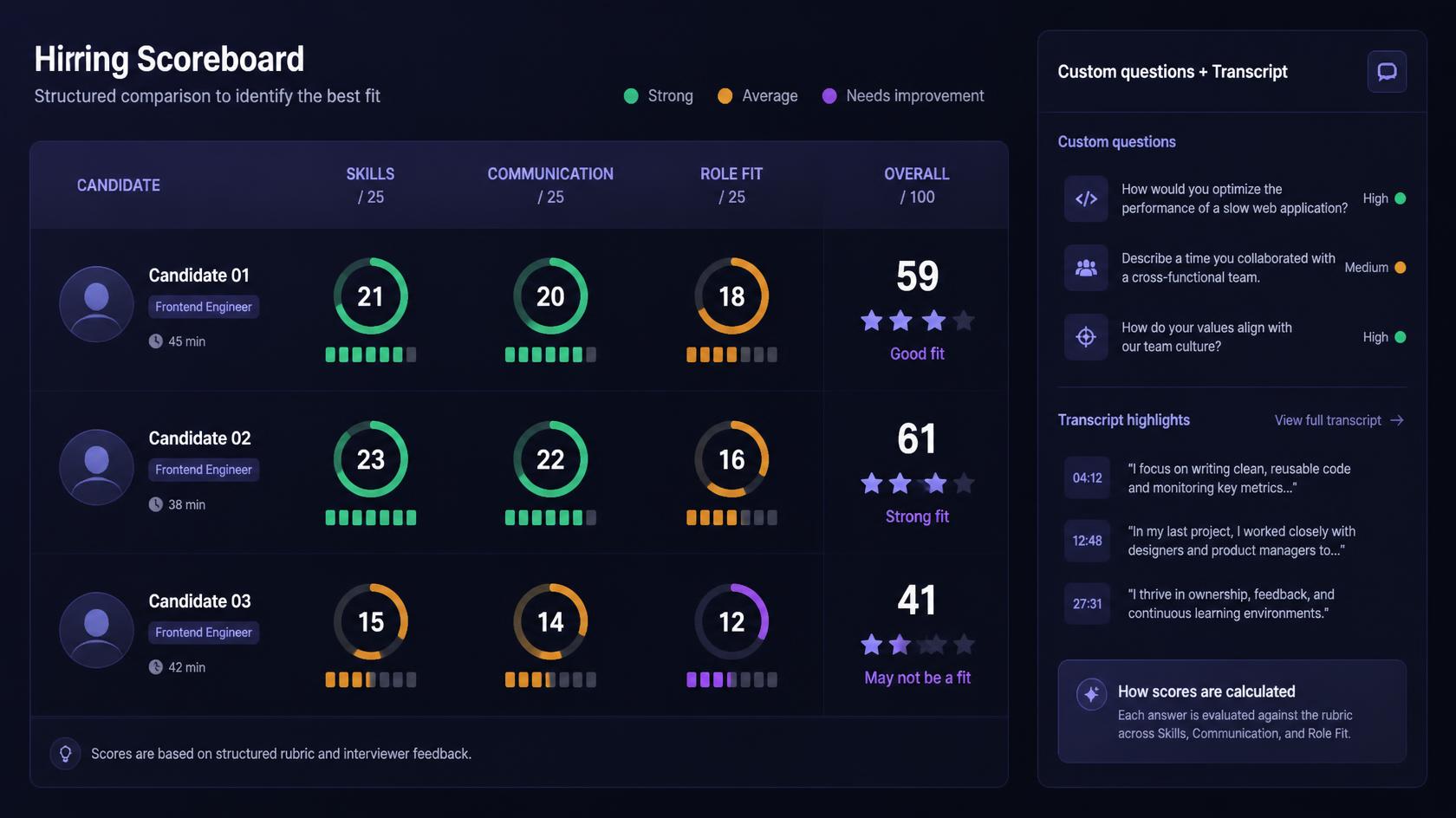
A role scoreboard is the default view, not a folder of documents.
Examples from the workflow
These are the kinds of moments the system was designed to handle — not hypothetical product slides.
Screening a large slate for one role
AI-led interviews and structured scores let HR compare ten candidates on the same criteria before panel time is spent.
A hiring manager who missed the live round
Transcript and scoring report are available on the scoreboard, so review is not 'ask someone what they thought.'
HR adjusting questions mid-search
If the JD shifts, custom questions can be edited without throwing away the rest of the round structure.
Stack and delivery pieces
Outcomes
Questions this case study usually raises
Does the AI make the hiring decision?
No. It runs structured interviews, captures transcripts, and produces scores and recommendations. HR and hiring managers review and decide. For engagements like HR adjusting questions mid-search, we confirm fit during discovery against your stack, volume, and compliance constraints rather than assuming every environment matches the case study one-to-one. Integrations, permissions, and review gates are planned explicitly. A pilot usually proves the highest-value path first, then expands once quality and adoption are clear. That keeps delivery practical and measurable.
How are interview rounds created?
Rounds are configured from the job description, then HR can edit custom questions so the process stays aligned with the role. In practice for HR adjusting questions mid-search, those rules are encoded in the workflow with logging so operators can see what occurred and intervene when needed. Edge cases are designed deliberately rather than left to improvisation. After launch, failure patterns feed iteration—knowledge updates, routing changes, or model/evaluation improvements. The operating model is meant to stay visible and supportable for your team.
What is captured from Google Meet?
Transcripts are captured so scoring is backed by what happened in the interview, not only an interviewer's memory. That distinction matters for scoping HR adjusting questions mid-search: we align on users, boundaries, and non-goals during discovery so the build does not drift into unrelated platform work. Deliverables and success metrics follow that definition. If a lighter or different approach fits better, we say so before heavy engineering begins. Related screens and workflows in the case study show how the scope played out in practice.
Who is this platform for?
Companies that want consistent JD-based hiring, especially teams screening many candidates and comparing them on a shared scoreboard. That distinction matters for scoping HR adjusting questions mid-search: we align on users, boundaries, and non-goals during discovery so the build does not drift into unrelated platform work. Deliverables and success metrics follow that definition. If a lighter or different approach fits better, we say so before heavy engineering begins. Related screens and workflows in the case study show how the scope played out in practice.
AI Interview Automation
We design interview automation systems that can guide candidates through structured interviews, collect responses, and help hiring teams compare candidates more consistently.
View the solutionMore case studies
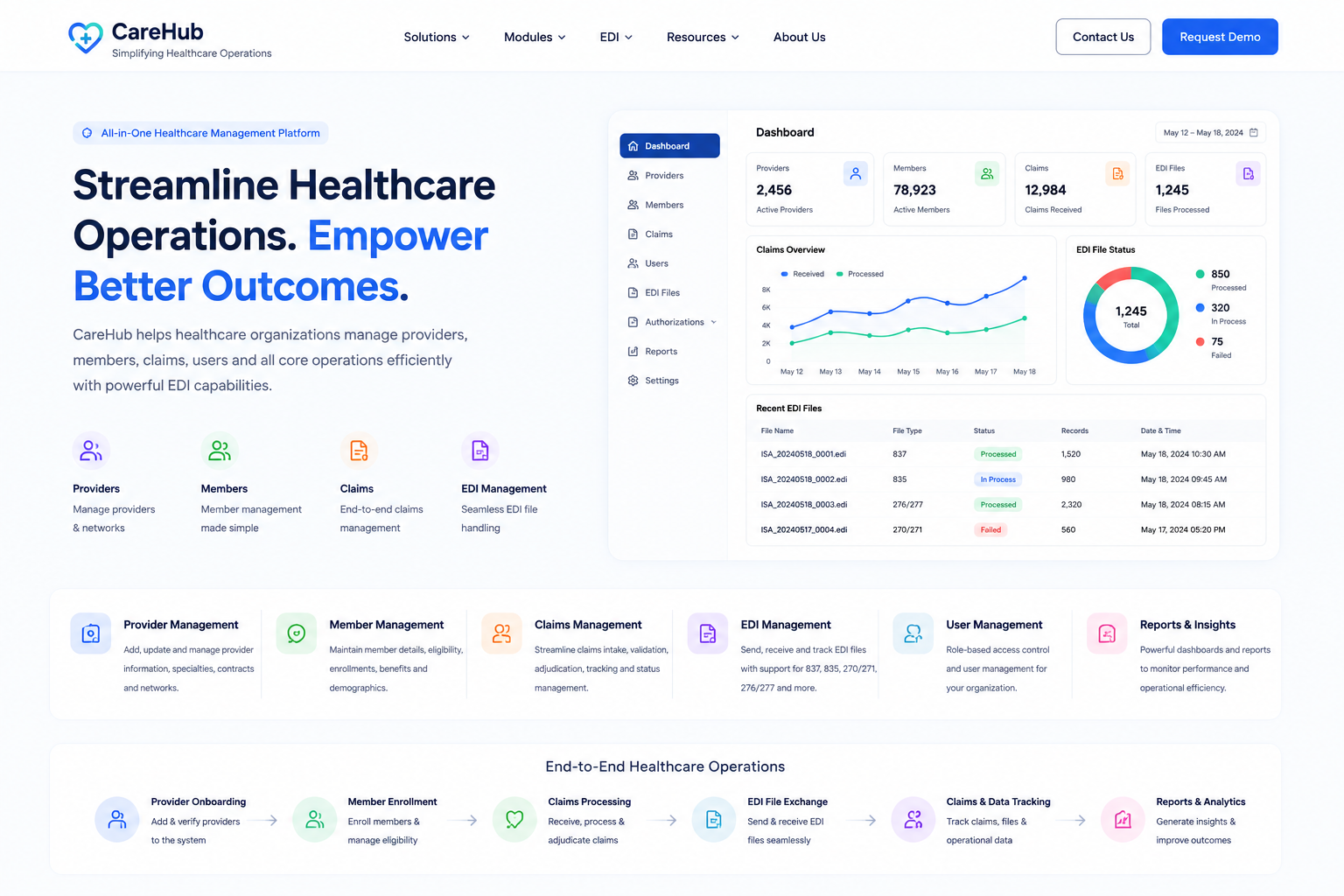
Healthcare Claims Management Platform
A HIPAA-ready healthcare operations platform that centralizes vendor data, claims processing, member administration, and plan management for U.S. healthcare teams.
Read case study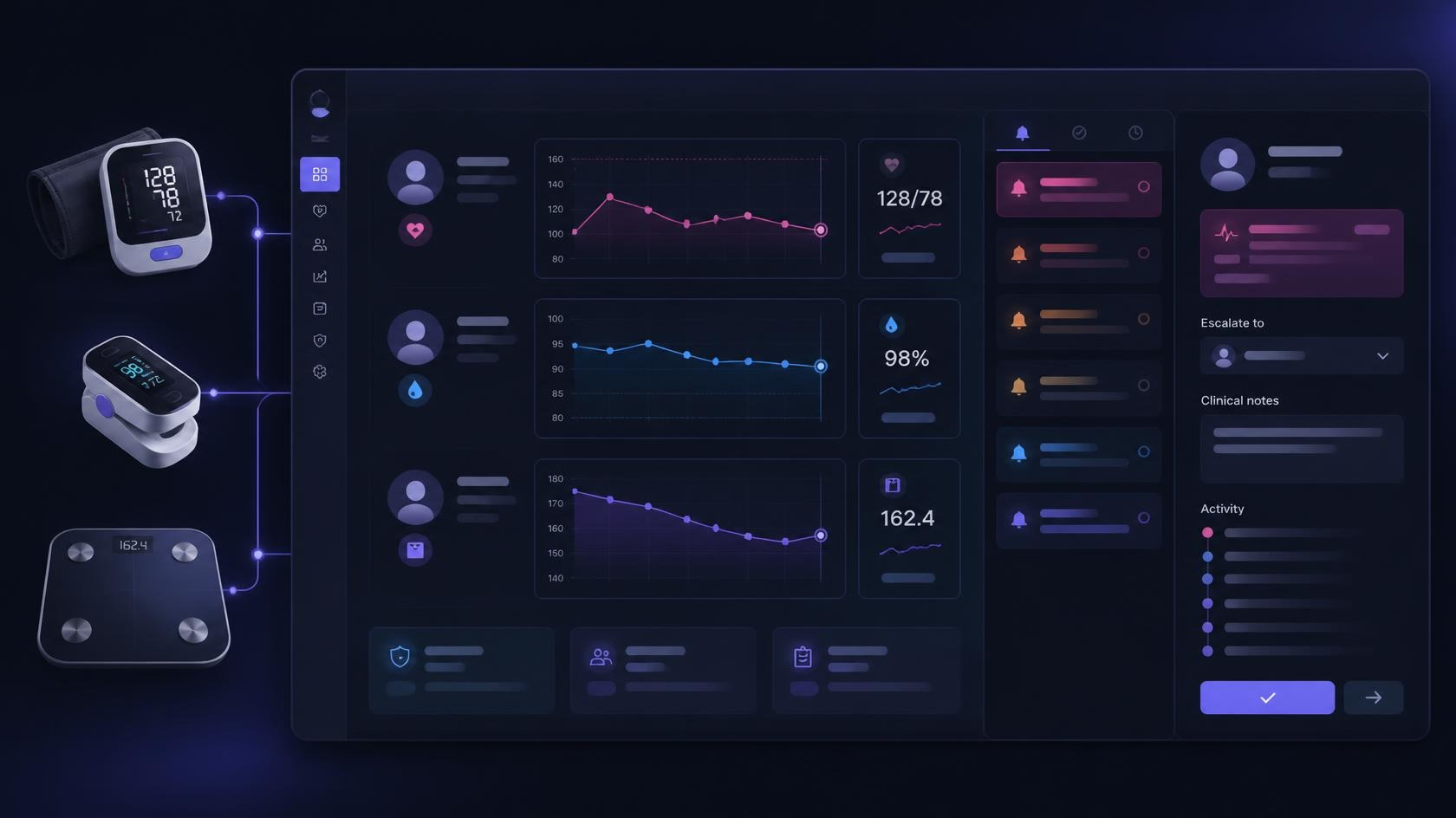
Remote Patient Monitoring Operations Console
A HIPAA-conscious remote patient monitoring console that ingests device readings, applies threshold rules, routes alerts to nursing staff, and escalates to clinicians with a full audit trail.
Read case study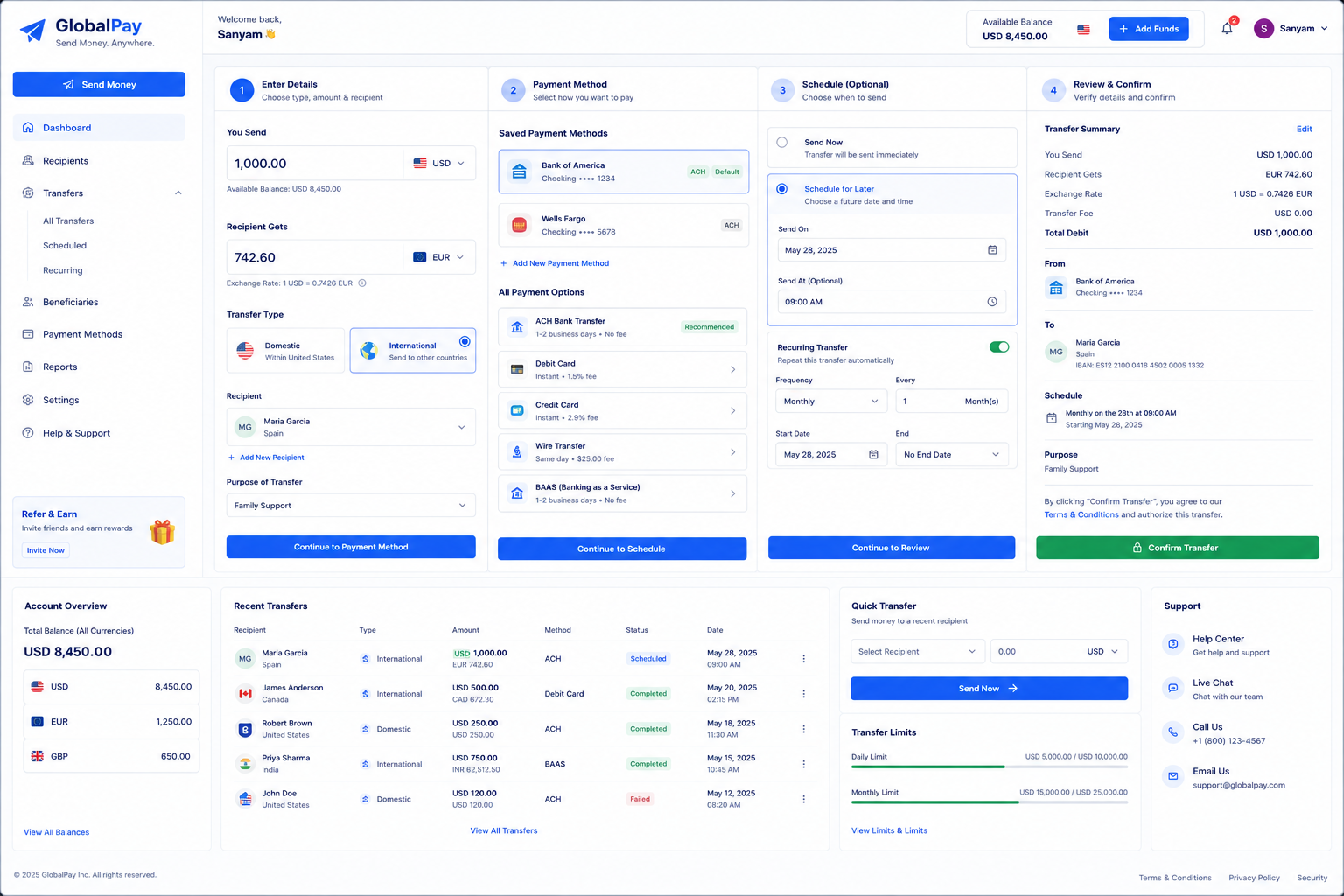
Global Payments & BaaS Platform
A cross-border payments and Banking-as-a-Service platform that orchestrates ACH, RTP, SWIFT, and regional rails for merchants and financial partners.
Read case studyNeed a case study like this?
Client names stay confidential. Request fuller details under NDA, or talk through a similar workflow for your team.