Legacy Application Modernisation
We modernize legacy applications so they are easier to maintain, extend, and scale without losing business-critical logic.
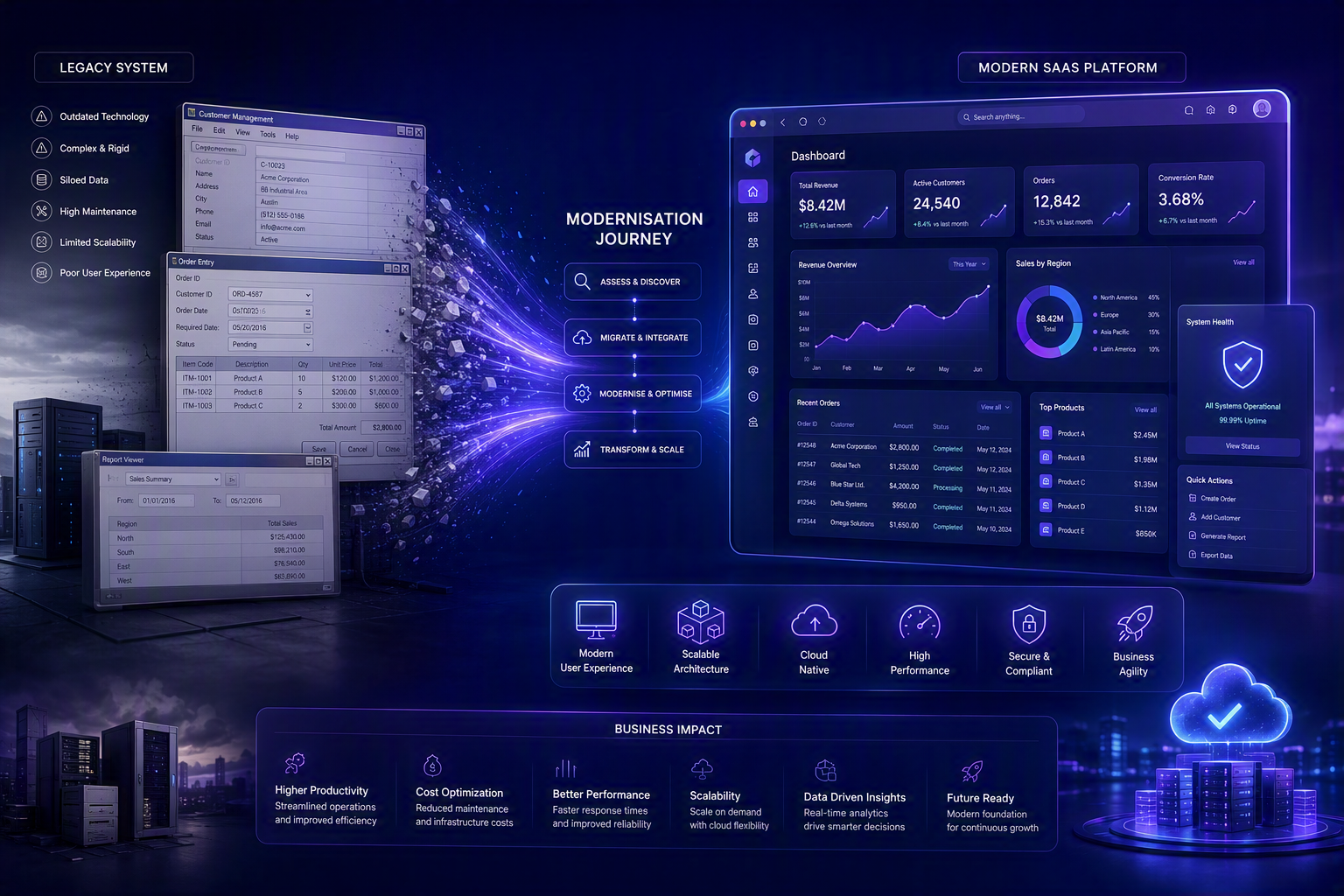
Service overview
We modernize legacy applications so they are easier to maintain, extend, and scale without losing business-critical logic.
Typical work includes assessment, refactoring, replatforming, and phased migration to reduce technical debt safely.
Engagements are structured for clarity, measurable progress, and long-term maintainability.
Problems this service solves
When to choose this
A quick fit check before you book a call—so we spend time on the right engagement model.
- Best for teams with aging systems that are slowing down new feature delivery or raising support costs.
- Internal capacity is the bottleneck—not a lack of ideas—and you want measurable milestones.
- You prefer a partner who will say when a packaged tool is enough instead of overselling custom work.
What we deliver
Practical outcomes designed to support reliable delivery and measurable progress.
What this service includes
Typical work includes assessment, refactoring, replatforming, and phased migration to reduce technical debt safely.
Application assessment and roadmap
Architecture re-platforming
UI and workflow refresh
Codebase refactoring
Data and integration modernization
Incremental migration planning
Where this service creates impact
Common engagement patterns where teams get the strongest return.
Use Legacy Application Modernisation to move a defined initiative from discovery to production with clear milestones.
Strengthen an existing product or platform where specialized execution is the bottleneck.
Prepare systems, workflows, and delivery quality ahead of a major release or customer rollout.
Continue with iterative delivery after the first phase when roadmap needs keep expanding.
Who this is for
Best for teams with aging systems that are slowing down new feature delivery or raising support costs.
Typical deliverables
Quick facts
- Engagement model
- Project or retainer delivery
- Primary focus
- Technical debt reduction
- Delivery style
- Iterative milestones with visible progress
- Best next step
- Discovery call to confirm scope and fit
Usually starts with discovery and modernization planning before moving into iterative delivery by module or service.
See related workHow we deliver
A clear process keeps scope visible, reduces risk, and helps teams move faster with confidence.
Discover and align
Clarify goals, constraints, and success metrics before major delivery begins.
Plan the approach
Define architecture, milestones, and ownership so progress stays visible.
Build and validate
Deliver in iterations with demos, feedback, and quality checks along the way.
Launch and support
Stabilize the release and hand over clear next steps for continued improvement.
Why choose CogniCrew AI Solutions for Legacy Application Modernisation?
We connect technical work to commercial outcomes, not just implementation activity.
Security, reliability, and maintainability are part of the plan from the start.
We work with your stakeholders and adapt to your tools, rituals, and constraints.
Milestones, demos, and reporting keep delivery transparent across the engagement.
Case studies related to Legacy Application Modernisation
Real projects that show how this kind of work ships in production.
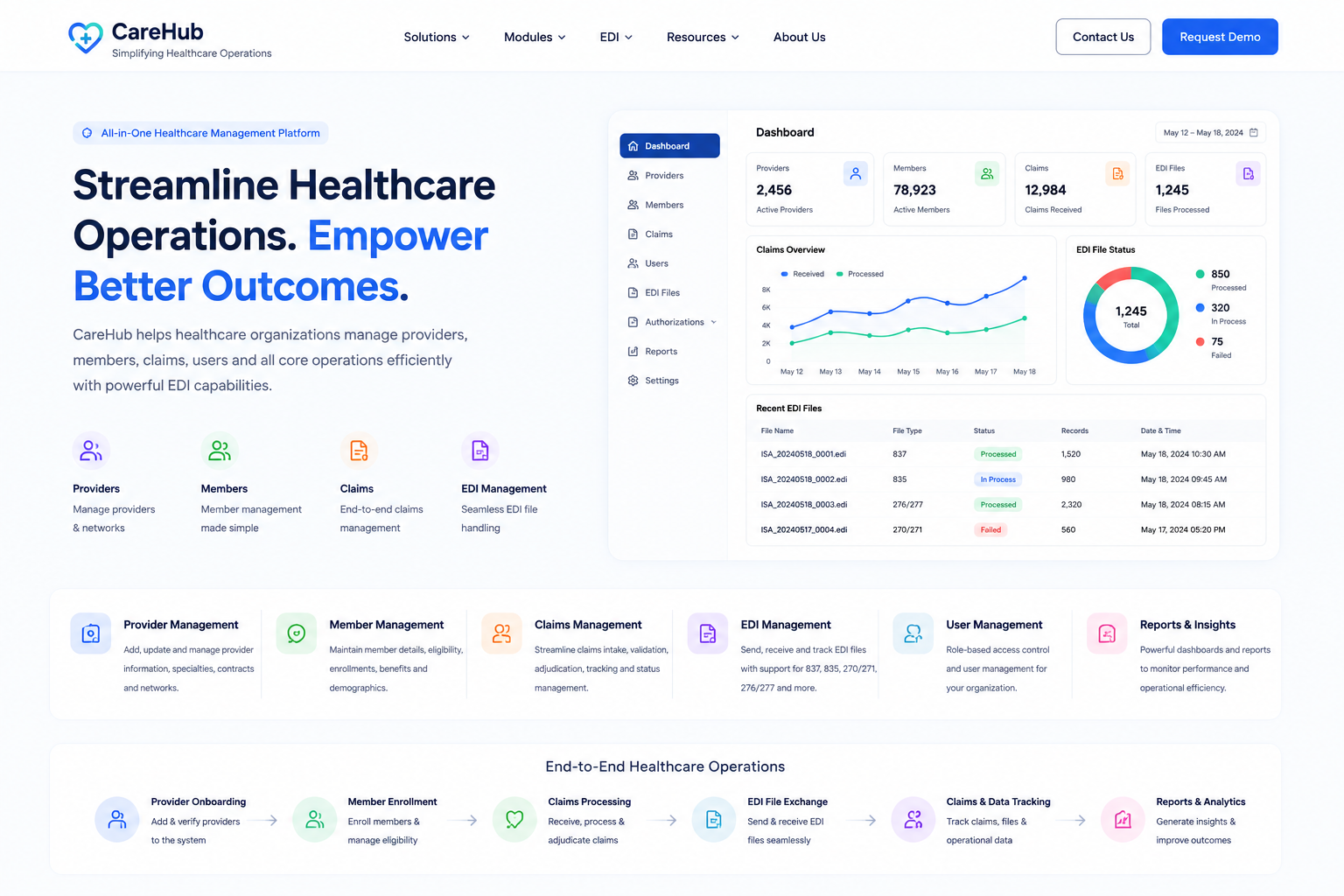
A HIPAA-ready healthcare operations platform that centralizes vendor data, claims processing, member administration, and plan management for U.S. healthcare teams.
Read case study
A treasury-grade FX platform for tracking rates, executing transactions, and managing multi-currency positions with automated settlement workflows.
Read case study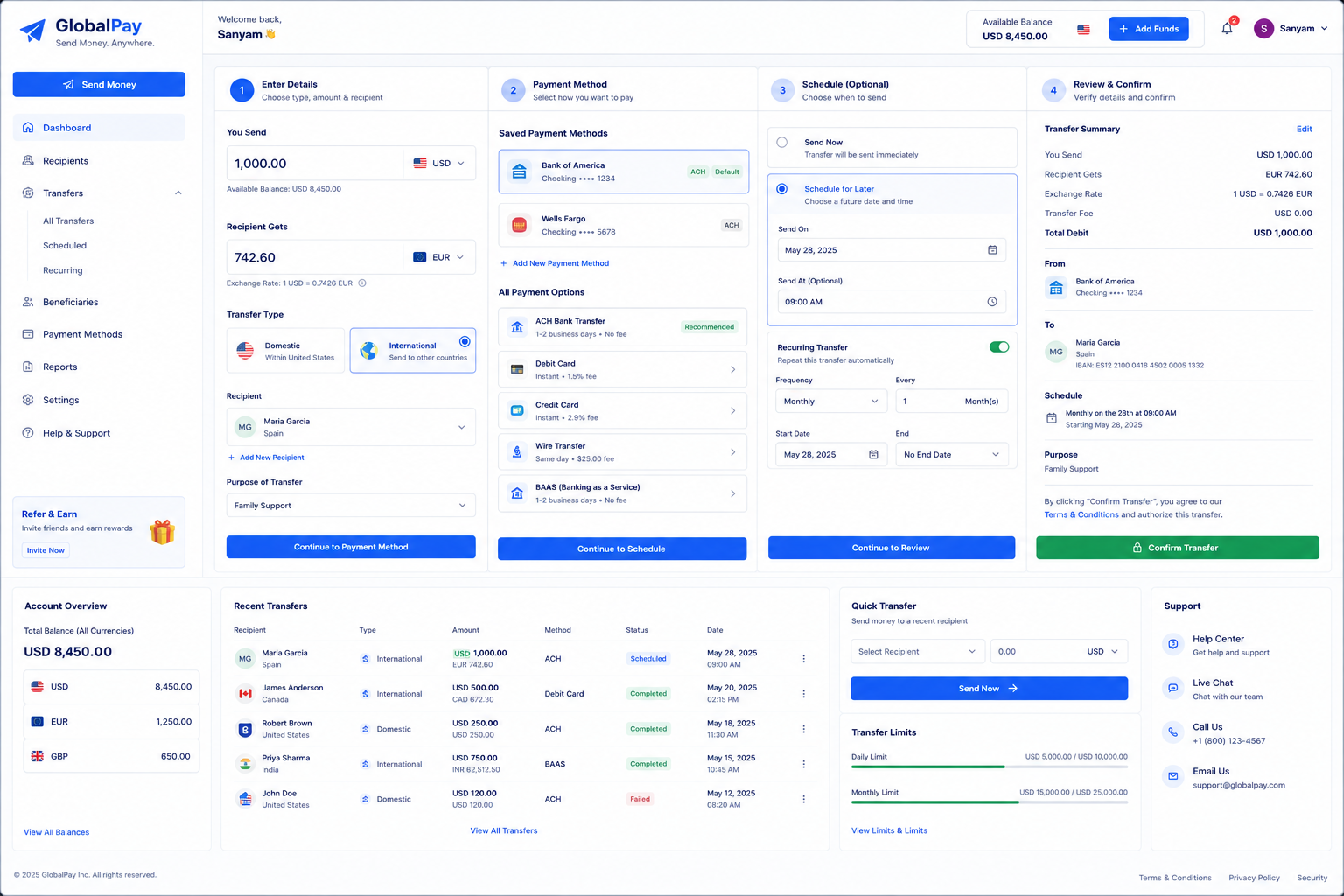
A cross-border payments and Banking-as-a-Service platform that orchestrates ACH, RTP, SWIFT, and regional rails for merchants and financial partners.
Read case studyContinue exploring related offerings
Migrate applications to modern frameworks, languages, and architectures with less risk and clearer delivery. We help teams move from outdate...
ExploreConnect your systems, products, and partners with reliable API integrations that move data cleanly and securely. We build the glue layer tha...
ExploreShip with confidence using structured QA coverage across functional, regression, automation, and release readiness. We catch defects earlier...
ExploreFrequently asked questions
Practical answers on fit, process, collaboration, and delivery expectations.
What is included in Legacy Application Modernisation?
Typical work includes assessment, refactoring, replatforming, and phased migration to reduce technical debt safely.
How do engagements usually start?
Usually starts with discovery and modernization planning before moving into iterative delivery by module or service.
Who is this service best for?
Best for teams with aging systems that are slowing down new feature delivery or raising support costs.
Can this work alongside our internal team?
Yes. We commonly collaborate with product, engineering, and operations teams inside your existing tools and rituals. Ownership boundaries are agreed so handoffs are clean. Some clients want us embedded in standups; others prefer structured checkpoints. Communication cadence is set during kickoff and adjusted based on what keeps delivery unblocked. You should feel like you have a partner on the workstream—not a black-box vendor.
How do you keep delivery visible?
We use milestone planning, demos, and regular status updates so progress, blockers, and risks stay visible to stakeholders. Reporting is concise and decision-oriented rather than activity theater. When priorities change, the plan is re-baselined explicitly. Shared backlogs or dashboards can plug into your existing process. Visibility is how trust is maintained across the engagement.
Do you provide post-delivery support?
Yes. Maintenance, QA, or extended delivery support can continue after the initial engagement depending on your needs and ownership model. Many clients keep a retainer for stability while internal teams ramp. Handover documentation is included so you can also fully insource later. Support scope and response expectations are agreed separately from project delivery. Continuity planning should start before the final release, not after.
Ready to start with Legacy Application Modernisation?
Share your goals and constraints and we will recommend the right engagement model, timeline, and next step.